 Hvidovre Hub
Understanding Hvidovre IF’s Tactical Setup
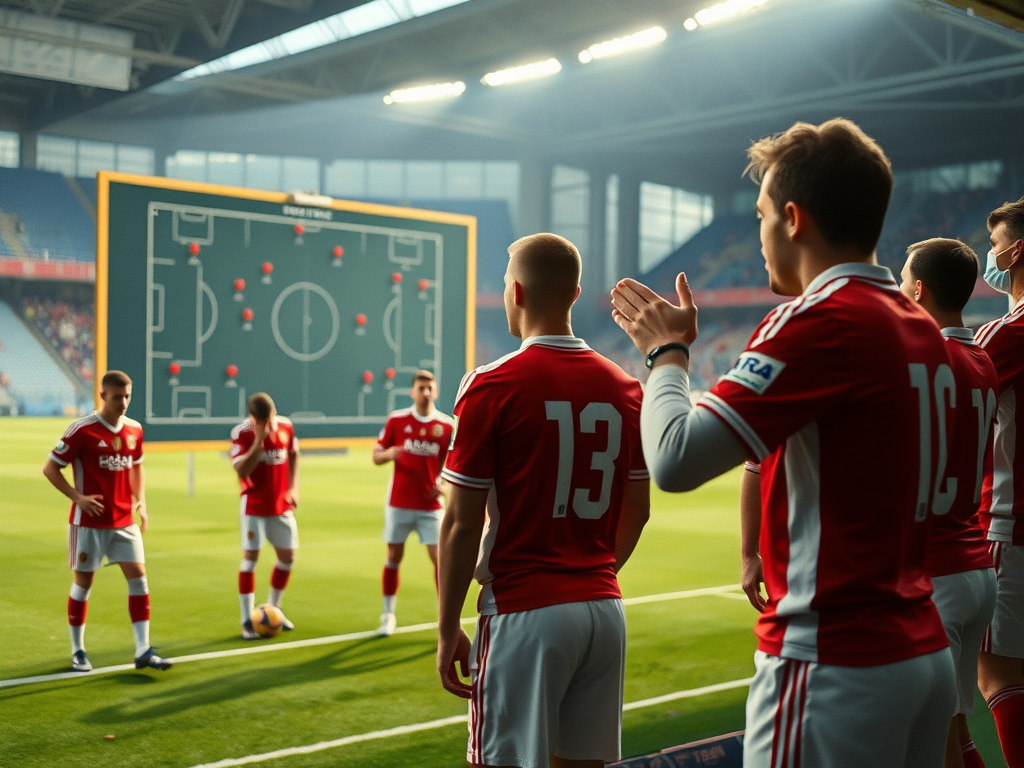
Hvidovre IF, known for their dynamic style of play, has showcased a blend of resilience and creativity on the pitch this season. However, as the campaign progresses, certain tactical nuances have emerged that warrant closer scrutiny. The team predominantly employs a 4-2-3-1 formation, which allows for flexibility in attacking transitions and defensive solidity. Nonetheless, recent matches have highlighted the need for adjustments to optimize their overall performance.
Recent Form: A Mixed Bag
In the past few weeks, Hvidovre has experienced a rollercoaster of results. While their attacking prowess remains intact, the midfield has occasionally struggled to maintain possession and control the tempo of the game. This inconsistency has led to vulnerabilities in defense, often leaving the backline exposed during counterattacks. The challenge now is to find a balance that reinforces their defensive structure while still allowing the attacking players to express themselves fully.
Midfield Dynamics: The Key to Stability
One area that could benefit from tactical tweaks is the midfield. Currently, the two holding midfielders are tasked with both breaking up opposition attacks and initiating forward plays. While this dual responsibility is crucial, it has sometimes resulted in a lack of support for the backline. Introducing a more defined role for one of the holding midfielders—perhaps focusing on defensive duties—could provide the necessary cover for the defense. This would allow the other midfielder to push forward more frequently, supporting the attacking trio and creating overloads in the final third.
Winger Utilization: Stretching the Play
Another tactical facet worth exploring is the role of the wingers. Hvidovre’s wingers have shown flashes of brilliance, but there are moments when they drift inside too often, congesting the central areas and limiting the team's width. Encouraging the wingers to stay wider and utilize the flanks can stretch opposition defenses, creating more space for the attacking midfielders and center forward to exploit. This adjustment not only enhances the team’s attacking threat but also provides better outlets during defensive phases, enabling quick transitions.
Defensive Cohesion: Strengthening the Backline
Defensively, Hvidovre must enhance their communication and organization, particularly during set pieces and transitions. With a solid back four, it is imperative that the defensive unit operates as a cohesive block. Implementing a more rigorous training regimen focusing on defensive drills could help sharpen their collective understanding. Additionally, assigning a designated leader within the backline can improve accountability and ensure that defensive duties are executed with precision.
Conclusion: Embracing Tactical Evolution
As Hvidovre IF continues to navigate the challenges of the season, embracing tactical evolution will be crucial for their success. By refining their midfield dynamics, optimizing winger roles, and enhancing defensive cohesion, the team can elevate their performances on the pitch. The road ahead may be fraught with challenges, but with strategic adjustments, De Hvidovre can harness their potential and make a significant impact in the league.
In the ever-competitive landscape of Danish football, it is these nuanced tactical tweaks that could very well differentiate a good season from a great one.