 Hvidovre Hub
Tactical Adjustments for Hvidovre IF's Recent Form
Hvidovre IF, affectionately known as De Hvidovre, has been displaying a commendable form lately, but as the competition heats up in the league, subtle tactical adjustments could optimize their gameplay even further. Current trends indicate a solid foundation, yet there is room for improvement in both offensive and defensive strategies.
Current Tactical Setup
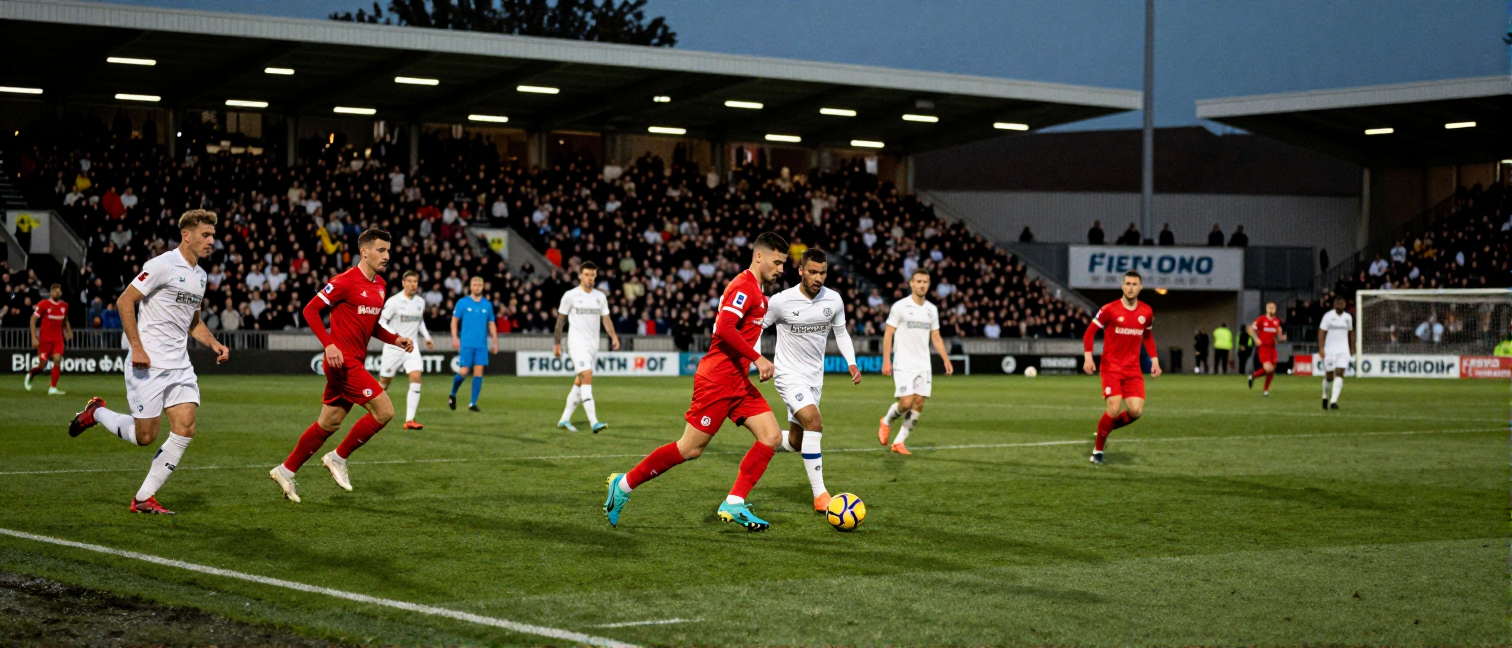
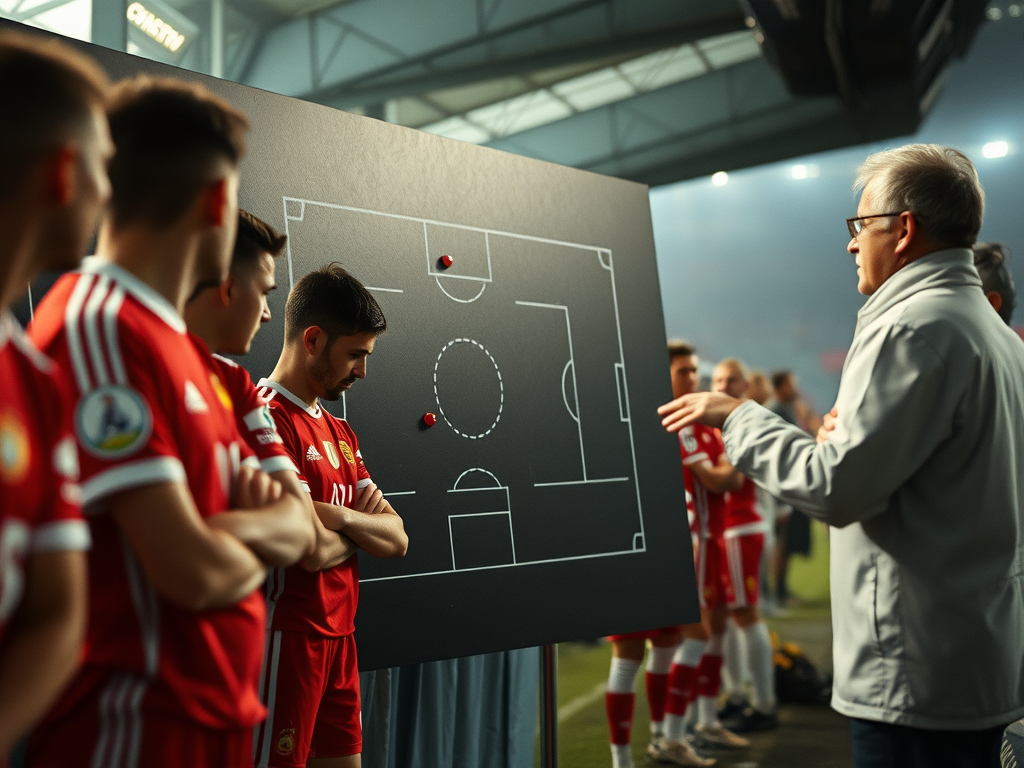
In recent matches, Hvidovre IF has employed a 4-2-3-1 formation, which has allowed them to maintain control of the midfield while providing some flexibility in attack. The two defensive midfielders, often tasked with breaking up opposition plays, have played a crucial role in shielding the back four, but their positioning can sometimes leave gaps when transitioning to attack. The wingers have shown promise in creating chances, yet their effectiveness is somewhat hampered by the lack of support from overlapping full-backs.
Suggested Tweaks for Improvement
1. Enhance Full-Back Involvement
One of the key adjustments should be to encourage full-backs to push higher up the pitch. By implementing overlapping runs, Hvidovre can stretch the opposition's defense, creating more space for the wingers and central attacking midfielder. This approach not only increases width in their play but also provides additional passing options, making it harder for opponents to close down key players.
2. Fluid Midfield Dynamics
Currently, the midfield duo often appears static, leading to predictable passing patterns. A tactical shift could involve one of the midfielders taking on a more advanced role, occasionally breaking the lines to support the attack. This can create confusion in the opposing defense, allowing for quick transitions and exploiting any lapses in their structure. Additionally, encouraging a more dynamic interplay between the central and attacking midfielders could lead to better goal-scoring opportunities.
3. Pressing with Purpose
Defensively, while the team has shown resilience, there have been instances where the press has been disjointed. A more coordinated pressing strategy could yield better results. By ensuring that forwards and midfielders engage the ball simultaneously, Hvidovre can force errors from the opposition, regaining possession in dangerous areas of the pitch. This high-press approach, if executed effectively, can lead to quick counterattacks and capitalize on the opponent's mistakes.
Conclusion
As Hvidovre IF continue to navigate the challenges of the league, these tactical tweaks could provide the edge needed to propel them toward their goals. By enhancing full-back involvement, fostering fluid midfield dynamics, and implementing a more effective pressing strategy, De Hvidovre can optimize their performances and remain competitive in the promotion race. The potential is undoubtedly there, and with the right adjustments, Hvidovre IF can further cement their place as a formidable force in Danish football.