 Hvidovre Hub
Tactical Tweaks for Hvidovre IF: Navigating Recent Challenges
As Hvidovre IF continues their quest to establish themselves firmly in the promotion race, the team's recent form has raised eyebrows among supporters and analysts alike. With a series of performances that have fallen short of expectations, there is a pressing need for tactical refinement. This article delves into the team's recent challenges and suggests tweaks that could reignite their push for success.
Recent Tactical Observations
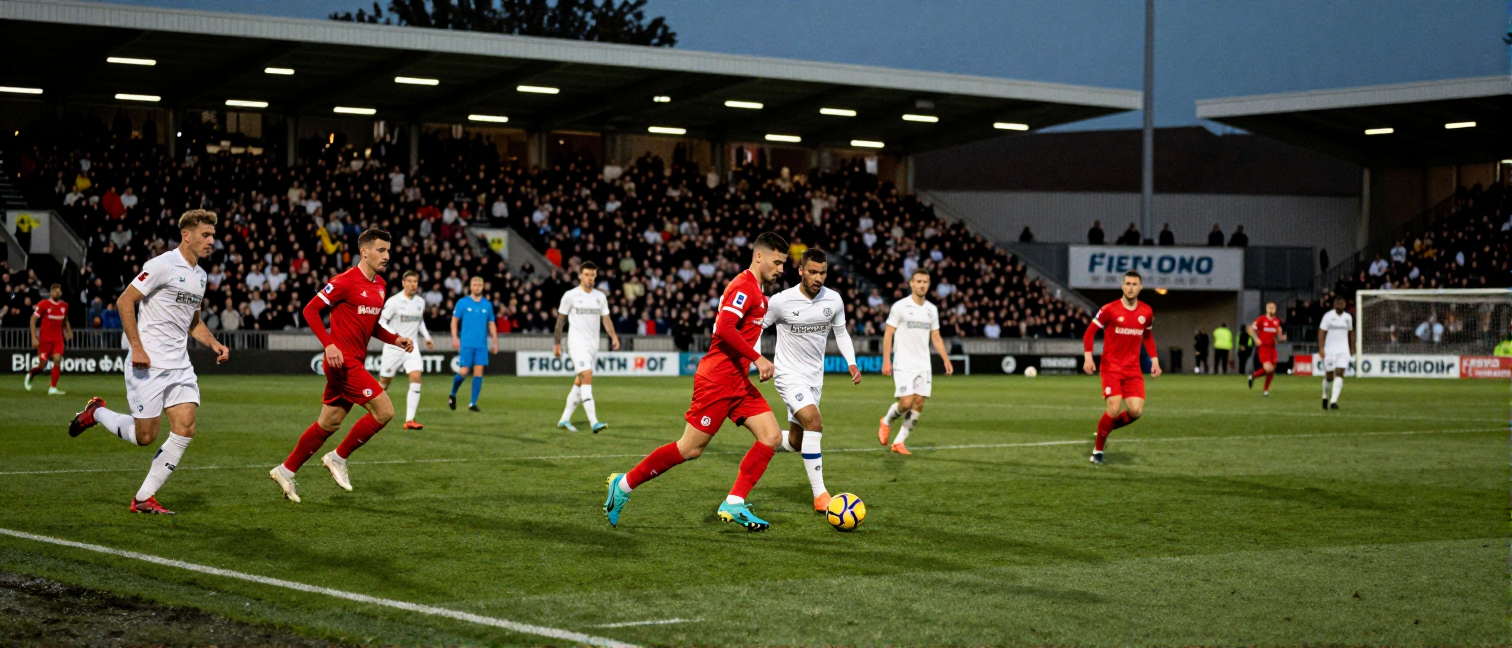
Hvidovre IF has often relied on a solid defensive structure combined with quick transitions to exploit counter-attacking opportunities. However, recent matches have exposed cracks in this strategy. Opponents have increasingly targeted the flanks, exploiting space left by full-backs who have been caught high up the pitch. This has led to a concerning number of goals conceded from wide areas, highlighting the need for a more balanced approach.
In the midfield, while the creativity from players like Z. Aliji has been crucial, the balance between offensive and defensive duties appears skewed. The current midfield setup often leaves the defense vulnerable, particularly when opponents launch quick counter-attacks. A more disciplined approach in midfield could ensure better protection for the backline and maintain possession during critical phases of play.
Suggested Tactical Adjustments
1. Reinforced Defensive Shape
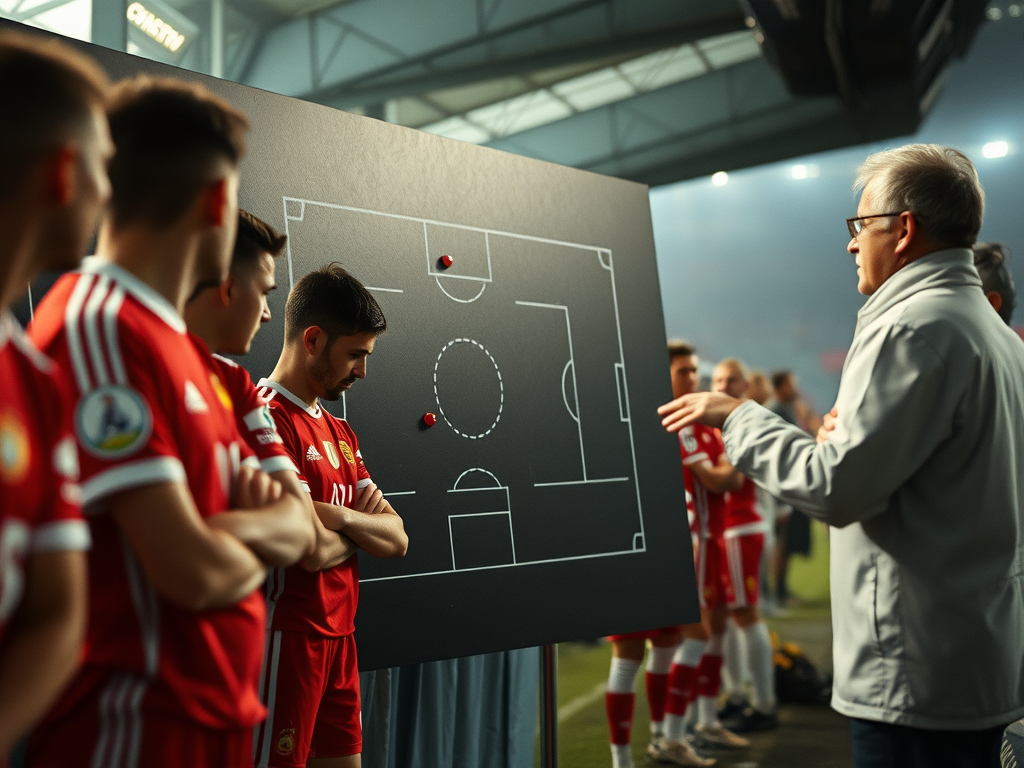
One potential adjustment is to revert to a more conservative defensive shape, perhaps adopting a 4-2-3-1 formation. This would allow for two holding midfielders to provide additional cover for the back four. By doing so, Hvidovre IF could better absorb pressure and prevent opponents from exploiting the gaps left by advancing full-backs. The two holding midfielders can not only shield the defense but also facilitate quicker transitions into attack, providing a balance that has been missing.
2. Midfield Dynamics
Introducing a more dynamic midfield pairing could bolster control in the center of the pitch. A partnership that combines Aliji’s creativity with a more robust presence would help in retaining possession and making incisive passes. This adjustment would also allow Aliji to drift into advanced positions without compromising the team’s defensive integrity, giving him the freedom to influence games without being overly exposed.
3. Utilizing Width Effectively
To counteract the issues faced on the flanks, it could be beneficial to instruct the wide players to cut inside when Hvidovre IF is in possession. This would allow the full-backs to overlap and create width while also ensuring that there are enough players in central positions to maintain possession and create goal-scoring opportunities. By encouraging wingers to make diagonal runs, the team could stretch defenses and create space for overlapping runs from the full-backs.
4. Transitioning Quickly
Finally, enhancing the team’s ability to transition quickly from defense to attack is critical. Training sessions should focus on quick ball movement and finding the right positioning to exploit counter-attacking opportunities. This can be achieved through drills that emphasize quick passing and positioning to ensure players are always ready to support each other during transitions.
Conclusion
As Hvidovre IF navigates this challenging period in the league, implementing these tactical tweaks could provide the necessary boost to their campaign. By reinforcing their defensive structure, optimizing midfield dynamics, effectively utilizing width, and enhancing transition play, De Hvidovre can position themselves as serious contenders for promotion. The potential is there; it's now about translating that potential into consistent performances on the pitch.