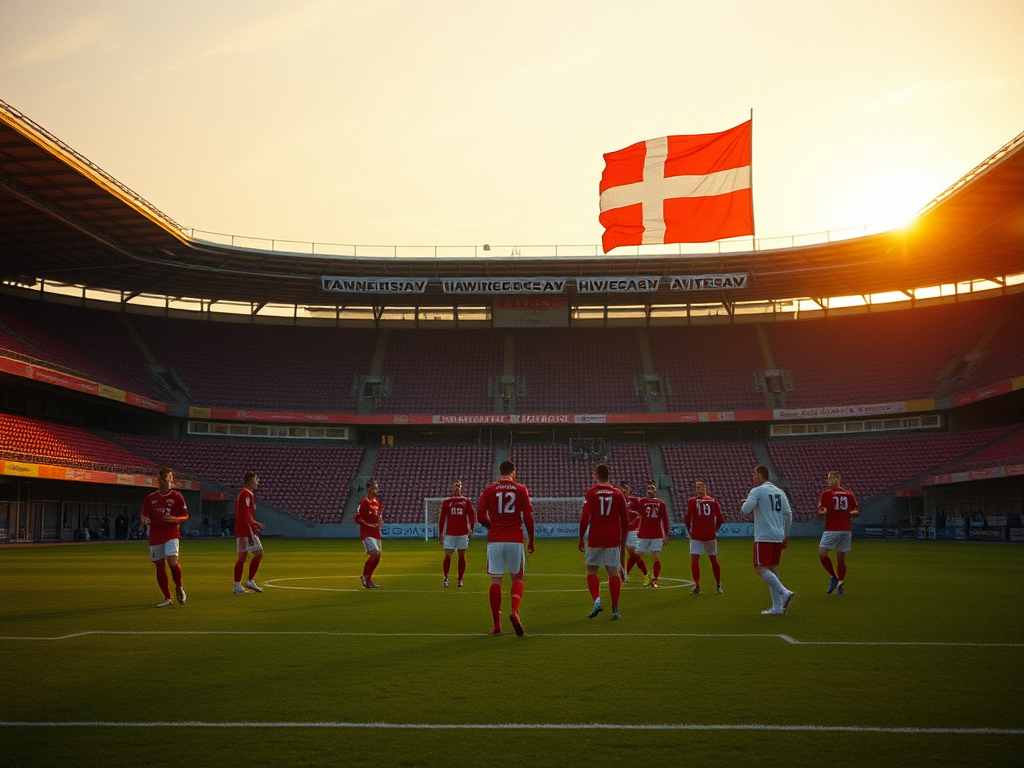
 Hvidovre Hub
Recent Form Analysis
As we dive into Hvidovre IF's recent performances, it's clear that the team has displayed a commendable fighting spirit and resilience on the pitch. However, a closer look reveals areas where tactical adjustments could take them from being competitive to outright dominant in the league. Currently, De Hvidovre often relies heavily on their midfield to control the flow of the game, with the likes of Rasmus Kristensen and Mads Vang at the forefront. While this approach has yielded some positive results, it has also exposed vulnerabilities, particularly when transitioning from defense to attack.
Current Tactical Setup
Typically, Hvidovre has been employing a 4-2-3-1 formation, which has allowed them to maintain numerical superiority in midfield. However, this formation can sometimes lead to a lack of width, making it easier for opponents to close down central avenues of attack. Moreover, when in possession, the team tends to become overly reliant on individual brilliance rather than cohesive team play, particularly in the final third. This has led to missed opportunities and a lack of clinical finishing, which can be the difference in tight matches.
Suggested Tactical Tweaks
1. Incorporate Width in Attack: One of the first adjustments Hvidovre should consider is utilizing the flanks more effectively. By pushing the full-backs higher up the pitch, especially players like Daniel Høgh, the team can stretch the opposition and create more space for the attacking midfielders and forwards. This change could also facilitate better crossing opportunities, allowing the likes of striker Nicklas Strunck to capitalize in the box.
2. Dynamic Midfield Rotation: While the current midfield duo has been solid, introducing more dynamic movement could enhance their effectiveness. Encouraging one of the holding midfielders to push forward occasionally while the other stays back may confuse opponents and create additional passing lanes. This rotational approach can also help in counter-pressing effectively after losing possession, which has been a weakness in recent matches.
3. Utilizing a Second Striker: Considering the current form of the attacking players, introducing a second striker in a 4-4-2 or a 3-5-2 formation could provide more attacking options. This would allow Hvidovre to exploit defensive weaknesses and create a more direct style of play. For instance, pairing Nicklas Strunck with a pacey forward could offer diverse attacking threats, especially on counter-attacks.
4. Defensive Organization: While Hvidovre has been somewhat solid defensively, improving their shape when without the ball is crucial. Transitioning to a more compact formation when defending can help in thwarting opposition counter-attacks, especially against teams with quick forwards. This could involve shifting to a back five in more challenging fixtures, ensuring a more robust defensive unit.
Conclusion
In summary, while Hvidovre IF has shown flashes of brilliance in their recent outings, tactical tweaks are necessary to elevate their game to the next level. By incorporating width, enhancing midfield dynamics, exploring a two-striker system, and tightening defensive organization, De Hvidovre can not only improve their league standings but also build momentum as the season progresses. The upcoming matches will be crucial in testing these adjustments, and with the right changes, Hvidovre can undoubtedly challenge for a higher position in the league.